
全國(guó)熱線服務(wù):
新聞資訊 Top label
- Motion Shafts: The Backbone of Modern Linear Motion Systems
- Precision Honed Tubes: The Backbone of Modern Hydraulic Systems
- Revolutionizing Building Maintenance: The Essential Guide to Modern Building Maintenance Units
- The Essential Guide to Hollow Shafts in Modern Mechanical Systems
- The Essential Guide to Cylinder Barrel Technology: Applications, Specifications, and Industry Standards
- The Complete Guide to Welded Ductwork: Industrial Applications and Technical Specifications
Quilting tube adopts processing technology
Rolling processing is a kind of chip-free processing that uses the plastic deformation of metal at room temperature to smooth out the microscopic unevenness on the surface of the workpiece to achieve the purpose of changing the surface structure, mechanical properties, shape and size. Therefore, this method can achieve the two purposes of finishing and strengthening at the same time, which cannot be achieved by grinding.
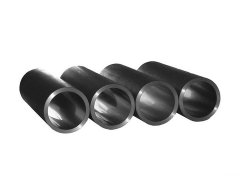
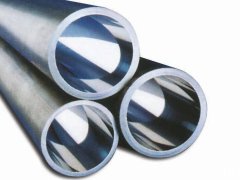
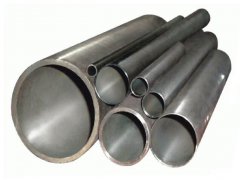
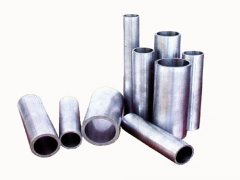
No matter what processing method is used, fine uneven knife marks will always be left on the surface of the part, with staggered peaks and valleys appearing.
Principle of rolling processing: It is a kind of pressure finishing processing. It uses the cold plasticity characteristics of metal at normal temperature and uses rolling tools to exert a certain pressure on the surface of the workpiece, causing the metal on the surface of the workpiece to flow plastically and fill in the original remaining low concave troughs, thereby reducing the surface roughness of the workpiece. Due to the plastic deformation of the rolled surface metal, the surface structure is cold hardened and the grains are refined, forming a dense fiber shape and a residual stress layer. The hardness and strength are increased, thereby improving the wear resistance, corrosion resistance and coordination of the workpiece surface. Rolling is a non-cutting plastic processing method.